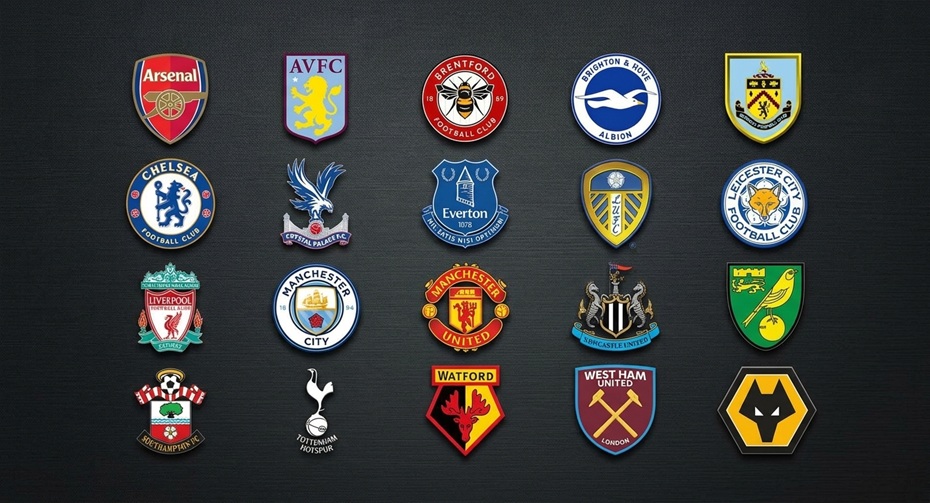
If you want to know which Premier League team someone supports, you have to ask the right questions. First, ask any football fan this question at a pub, a family dinner, or a schoolyard, and watch the room change. People do not just answer with a club name. They launch into stories about their grandfather’s season ticket, a golden goal they saw live, or a rainy Tuesday night that turned into a lifelong obsession. Figuring out which Premier League team to support rarely comes down to logic, and the 2026-27 season, which kicked off on 21 August 2026 after a short delay caused by the 2026 FIFA World Cup, already gives fans fresh reasons to defend their colours.
This article digs into why people pick the clubs they pick, looks at how the current season is shaping up, and points you toward where you can actually watch the games. It also compares Premier League coverage with NFL coverage, because plenty of fans now split their Sundays between two very different footballs.
Deciding Which Premier League Team to Support
Choosing a team to support can be tough with so many options. Indeed, nobody really chooses a football club the way they choose a phone or a car. Most fan support starts before a person can even spell “midfielder.” Family loyalty explains much of it. For example, a father takes his daughter to Anfield once, and twenty years later she still cries during “You’ll Never Walk Alone.” Geography plays a similar role. Growing up five minutes from Old Trafford or the Emirates tends to settle the question before it even gets asked.
Then there is the glory-hunting route. Mostly purists love to tease these fans, but it helps explain why Manchester City and Chelsea have attracted so many supporters outside England. Likewise, a kid in Lagos or Jakarta watches a Champions League final, falls for a player or a badge, and stays loyal for life. Style of play matters too. Arsenal under Mikel Arteta has pulled in fans who love patient build-up football. At the same time, a club like Newcastle under its Saudi-backed ownership has attracted people drawn to ambition and rapid transfer spending.
Finally, there is pure stubbornness. Once an EPL fan picks a side, changing it feels like betrayal, even during relegation seasons. That emotional stickiness is exactly why the Premier League generates such intense, personal debate every August.
The Traditional Giants and What Makes Each One Different
Arsenal enter this season as reigning champions after finally ending their long wait for the Premier League title in May 2026. They finished with 85 points, securing the club’s first league title since 2004. For Gunners fans, ending a 22-year wait made the achievement even more special. The team has also built its identity around young academy players, clever signings, and Arteta’s long-term approach. That appeals to supporters who would rather see a team grow steadily than chase quick fixes.
Manchester City remain the model of relentless control under years of Pep Guardiola’s possession football, though the post-Guardiola transition is already a live storyline this season. Their fans often point to sustained excellence across a decade as their defining trait, even during a title race where they finished second last term.
Liverpool carry the emotional weight of Anfield and a fan base that treats matchday more like religion. The club made headlines this summer by signing striker Alexander Isak from Newcastle, hoping his movement and finishing add firepower to Andoni Iraola’s rebuilding project. Manchester United fans, meanwhile, stay loyal through turbulence that would test anyone, banking on history and global reach even in seasons that do not go to plan.
Chelsea and Tottenham round out the traditional big clubs, each with fiercely proud supporters who argue, often loudly, that their trophy cabinet or their style deserves more respect than pundits give them. Both clubs opened the new season looking to find consistency after up-and-down campaigns, and early results already show how unpredictable this year’s table could get.
What the Early 2026-27 Season Tells Us
A handful of results from August already hint at how competitive this campaign will be. Brighton hammered Aston Villa 4-0 at the Amex on opening weekend, while Manchester City thrashed Crystal Palace 4-1 away. Chelsea and Brighton played out a wild 4-3 thriller, and Manchester United beat Ipswich Town 5-2 in front of over 74,000 fans at Old Trafford. Bruno Fernandes, Erling Haaland, and Alexander Isak shared the early Golden Boot lead with three goals apiece after just a few rounds.
None of that guarantees anything about May, but it does prove the usual suspects will not have things easy. Newer or newly promoted sides like Sunderland and Ipswich Town add unpredictability, and pundits already expect a tighter title race than last season’s eventual seven-point gap between Arsenal and City.
Where to Watch: Premier League Streams Explained
Once you pick a side, you need a reliable way actually to watch them play. Premier League streams have multiplied over the past few years, and coverage now splits across several platforms depending on where you live. In the UK, Sky Sports and TNT Sports carry most live matches, while NBC Sports and Peacock carry the league across the United States. Fans in Canada rely on DAZN, and viewers in Australia turn to Optus Sport for full match coverage.
Official Premier League streams through these broadcasters remain the safest and highest-quality option, since they include full match commentary, instant replays, and mobile apps that let you watch on the move. Many supporters also use official club apps for post-match interviews and extended highlights, which pair nicely with a subscription to the main broadcaster. Avoid unofficial streaming sites, since they often carry poor video quality, intrusive ads, and real security risks for your device. A legitimate subscription costs money. But it buys stability during a title run that could hinge on a single controversial VAR decision in April.
Plenty of Premier League fans in North America also follow NFL coverage closely, and the two sports actually compete for the same Sunday attention span every autumn. NFL coverage runs primarily through CBS, Fox, NBC, and ESPN in the United States, with early games kicking off right as Premier League lunchtime fixtures wrap up in England. The Premier League leans on ninety continuous minutes and a single midweek fixture rhythm. While the NFL offers a slower, commercial-heavy broadcast built around one game a week per team. That difference actually suits a lot of dual fans, since it lets someone watch a full Arsenal match and still catch an entire Chiefs game without much overlap. No doubt, something that has quietly built a growing crossover audience across the streaming era.
Why the Question Never Gets Old
So, which Premier League team do you support and why? There is rarely a logical answer, and that is precisely the appeal. Whether it comes down to family tradition, a stunning goal watched on a grainy stream years ago, or admiration for a manager’s philosophy, the reasoning behind fandom stays deeply personal. If you are still weighing which Premier League team to support, the 2026-27 season already promises twists, upsets, and late drama, giving every fan fresh material to defend their choice at the next pub argument.
So, whenever you pick your side, find a reliable stream, and keep an eye on the table. In addition, you need to make sure you enjoy one of the most unpredictable Premier League campaigns in recent memory.